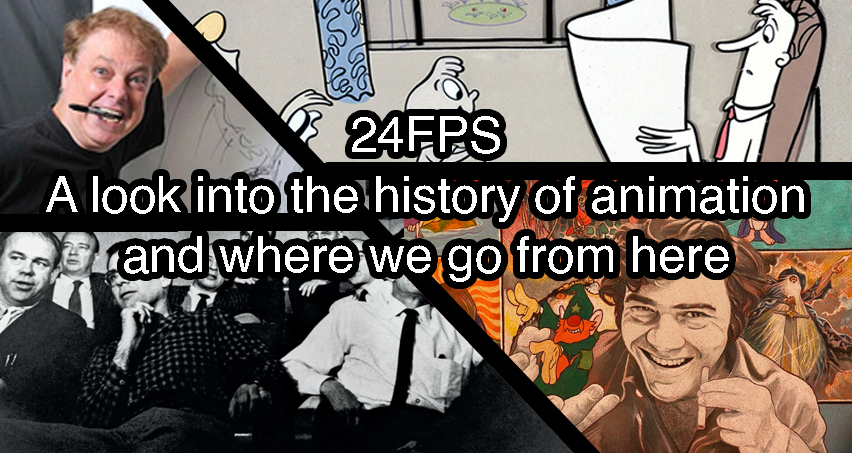
Disney Studios housed one of the most revered creative groups in our industry history, the fabled Nine Old Men. These were a group of animators, directors, and supervisors that Walt held in the highest esteem in his studio. Most animation enthusiasts know names in this group like, Milt Kahl, Woolie Reitherman, Frank Thomas, and Ollie Johnston. However, a name that is often overlooked, is the man behind some of the best offerings ever to come out of the studio, Les Clark
Les Clark started at Disney Studios before reverence was behind the name, they were like any other small animation studio that produced 5-6 minute shorts. Mostly these were silly characters getting into trouble, and the occasional music number like Skeleton Dance.
These musical numbers required more than simple gags, and snappy timing, they required dance numbers to a musical beat, and that's where Les Clark shined. He was known around the studio for having an excellent sense of timing and would often chart out his entire scene before drawing a single line. In those early days, it was exceptionally difficult to have sound effects and/or voice actors synced -up to the animation, so a musical backing was a simpler solution. Les Clark was able to listen to the audio and write down the beat, getting a feel about where to place his keyframes. When the rough drawings were filmed, they would sync up to the tempo perfectly, and give the illusion that the characters were dancing to the beat.
Les was even asked to animated on Disney's first animated shirt with sound effects and dialogue, Steamboat Willie. His timing skills were not only necessary but required to get the job done to the quality standards that Walt was looking for.
Over the next several decades, Les Clark proved to be an invaluable member of the studio and the prestigious Nine Old Men. He put his personal touches on some of the most iconic characters in animation's history, Pinocchio, Cinderella, Alice, and Tinkerbell, to name just a few. His contributions were many and were are fortunate that we can enjoy his work for many years to come.
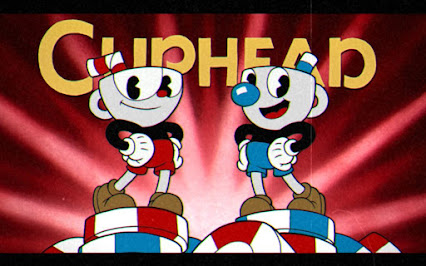
For the most part, video game animation has been frowned upon by film and television animation. It was always viewed as a lower-tier in quality. And for the most part, they were right. Video game animation has always been lacking in some crucial ways that ultimately make it look stiff, blocky and sometimes creepy. Unlike film, video games had to make make the jump to the third dimension, it was a forced move. Most consumers saw what was capable in film and television with Toy Story and Reboot, but why weren't they seeing those kind of graphics in their flat, 2D games? Gamers wanted a change, whether the industry was ready for it or not. When the first mainstream video games came out the audience was floored. Titles like Super Mario 64, Tomb Raider, and Crash Bandicoot exploded into living rooms and the consumer couldn't have been happier. They were finally having the 3D experience they had been waiting for, and the graphics were amazing! Ok, maybe...
In the early nineties, the world of television animation was experiencing a boom. Theatrical animation was changing direction to new and refreshing directors and artists, and the world of television decided to go in a new direction as well. It decided it was time for some more provocative, experimental, and adult-oriented material. It was time to push the boundaries of animation and test the audiences consuming it. It was time for Liquid Television. MTV was the home for music throughout the eighties. With almost nonstop music videos, paired with music news and talk shows, MTV was the place for the young and hip. The young MTV audience was growing up a little, generation X was pushing into other mediums and MTV wanted to jump on that train, so they started offering other shows like Real World, Road Rules, and other youth-centric programming. They also began airing more isolated and specific content late at night on weekdays, when kids were up and parent...
Craig "Spike" Decker and Mike Gribble, known as "Spike & Mike" started a film festival in the 1970s as a means of promoting rock bands, horror films, and classic movies. Around 1977 they started airing very popular anaimtion shorts from the local area, and these became so popular that it spawned it's own Festival of Animation. Soon, Spike and Mike were getting so many requests from filmmakers all over the country, it became obvious that they needed to expand. Soon they were taking the festival on a 50-city tour. Responding to the social demands at the time, Spike and Mike started the Sick and Twisted Festival of Animation in 1990. There were alot of R-rated animations being produced in the states and overseas, that could not get distribution in the states. These film makers were looking for a way to show their films to a more open-minded audience, and the Sick and Twisted Festival of Animation was a great way to do that. These were ...


Comments
Post a Comment